Source Bush Hammered Granite Window Sills for walls, floors, and countertops
Explore 30 listings of Bush Hammered Granite Window Sills available in various colors and thicknesses. Buyers can compare specifications, pricing, and customization options for wall decoration, flooring, and countertop applications directly from verified suppliers.
Key considerations
Products List


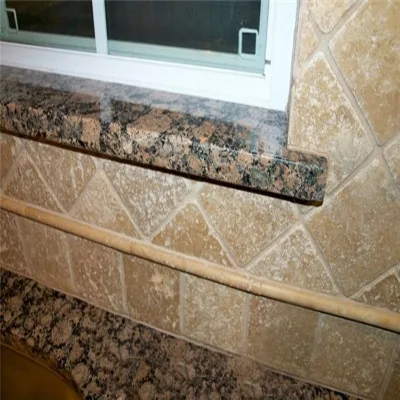


Bush Hammered Silver Grey/Black/Yellow/Gold Granite Natural Stone Window Sills
$8.00 - $15.00
MOQ: 100 Meters


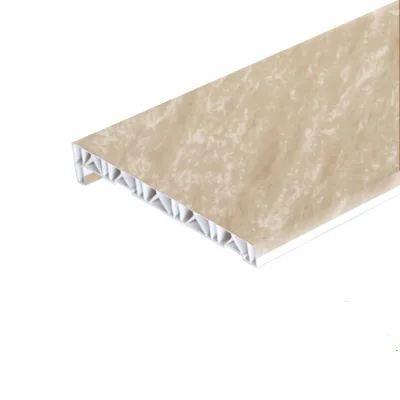
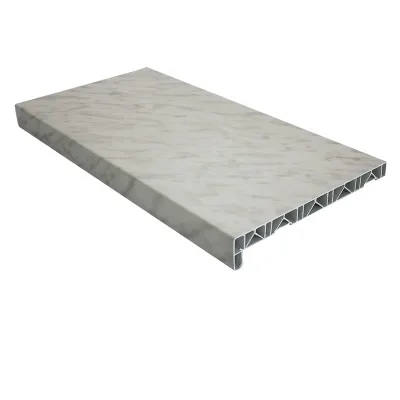
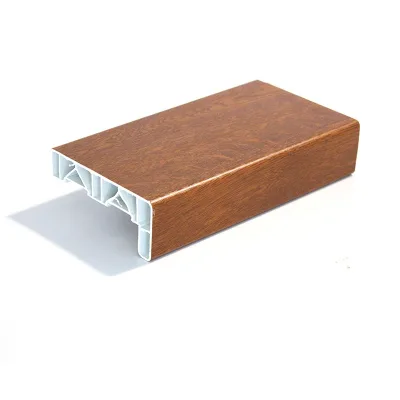

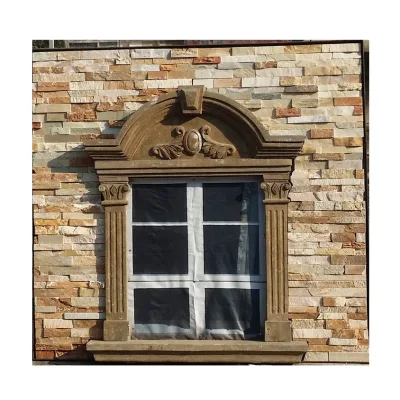
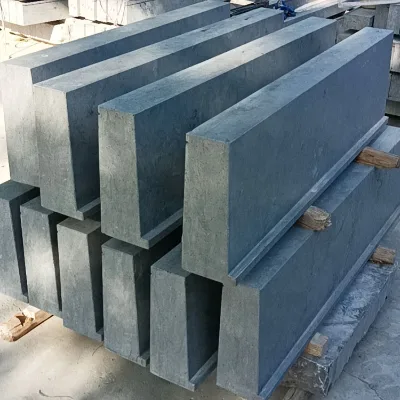

China Dyed Red Granite Cheapest Imperial Red Painted Red Granite Slabs Tiles Window Sills
$11.80 - $13.00
MOQ: 500 Square Meters

New G623 Chinese Rosa Beta Grey Granite Polished Flamed Slabs Tiles Staircase Window Sills
$15.00 - $18.00
MOQ: 300 Square Meters


Comprehensive Sourcing Guide
Strategic Sourcing Guide for Bush Hammered Granite Window Sills
Understanding the Product and Surface Finishing Characteristics
When sourcing Bush Hammered Granite Window Sills, buyers must first distinguish this specific finish from other surface treatments like polished or flamed finishes. The bush hammering process involves striking the granite surface with a textured hammer to create a rough, non-slip texture. This technique is particularly valuable for exterior applications where traction and weather resistance are paramount. According to observed product attributes, the bush hammered finish is a distinct processing option available alongside other techniques such as flamed and polished finishes. This specific texture is not merely aesthetic; it provides a functional advantage by reducing the risk of slipping, especially in wet conditions common around window perimeters.
The visual character of bush hammered granite is defined by its natural, slightly pitted appearance. Unlike polished surfaces that reflect light, this finish diffuses light, offering a matte, rustic look that blends well with traditional or contemporary architectural styles. The product observations indicate that this finish is available on granite with a density ranging from 2 to 3 g/cm³, a critical metric for structural integrity. The shape of these sills is typically rectangular, though square options are also noted in the broader granite market. The form factor can vary from cut-to-size pieces to big slabs, allowing for customization based on the specific architectural requirements of a project. The natural technique used in processing ensures that the inherent grain and color variations of the stone are preserved, contributing to the unique character of each piece.
Technical Specifications and Dimensional Standards
Technical precision is the backbone of successful procurement for stone window sills. The dimensions of the product are not arbitrary; they must align with the structural opening of the window frame. Observed specifications highlight standard thicknesses of 2cm and 3cm. The 2cm thickness is often suitable for lighter loads or specific interior applications, while the 3cm thickness provides greater durability and resistance to cracking, making it the preferred choice for exterior window sills that must withstand thermal expansion and contraction. The size of the sills can range from standard modular dimensions, such as 600 x 600mm, to custom cut-to-size requirements.
The shape of the sills is predominantly rectangular, which aligns with standard window frame geometries. However, the availability of square shapes suggests flexibility for unique architectural designs. The density of the granite, observed between 2 and 3 g/cm³, is a vital technical parameter. This density range indicates a stone that is sufficiently heavy to resist wind loads and thermal stress without being overly brittle. Buyers should verify that the specific batch of granite meets these density requirements, as variations in mineral composition can affect the stone's performance. The color options are diverse, including grey, black, yellow, rusty, white, and cream. This variety allows architects to match the sills with the building's façade or interior design scheme. The "Grey" color is frequently observed, but the availability of other hues ensures that the material can be tailored to specific design visions.
Compliance, Certification, and Quality Assurance
In the global B2B market, compliance with international standards is non-negotiable for construction materials. The sourcing of Bush Hammered Granite Window Sills requires rigorous verification of certifications. Observed product data confirms that suppliers often provide certifications such as CE, ISO, and SGS. The CE marking indicates conformity with health, safety, and environmental protection standards for products sold within the European Economic Area. The ISO certification, specifically ISO 9001:2000, demonstrates that the manufacturer adheres to a quality management system that ensures consistent product quality. Additionally, the SGS certificate serves as an independent verification of the product's quality and safety.
Buyers must treat these certifications as observations of the supplier's capabilities rather than automatic guarantees for every single unit. The presence of these certifications suggests a commitment to quality, but the buyer should request current, valid documentation for the specific order. The standard ISO 9001:2000 is a recognized benchmark for quality management, ensuring that the production process is controlled and monitored. The "Good" quality attribute observed in product listings further supports the expectation of a reliable product, but this should be backed by third-party test results. When evaluating a supplier, the buyer should verify that the certifications cover the specific type of granite and the bush hammered finish being ordered. The origin of the product, typically Xiamen, China, is a major hub for stone processing, and suppliers from this region are accustomed to meeting international compliance requirements.
Cost Drivers and Procurement Economics
The cost of Bush Hammered Granite Window Sills is influenced by several dynamic factors, including material density, finishing complexity, and logistics. The observed price range in the market spans from 1 to 1500 USD, a wide spectrum that reflects differences in quality, size, and order volume. The "Factory Price" attribute suggests that direct sourcing from the manufacturer can yield significant cost savings compared to purchasing through intermediaries. However, the final cost is heavily dependent on the Minimum Order Quantity (MOQ). Observed MOQs range from as low as 1 piece to as high as 2000 pieces, with specific listings noting MOQs of 15 pieces or 100 pieces.
The trade terms, including CFR, FOB, CNF, and DDU, play a crucial role in determining the total landed cost. FOB (Free on Board) is a common term where the buyer assumes responsibility for costs once the goods are loaded onto the vessel, while DDU (Delivered Duty Unpaid) implies the seller covers transportation to the destination but not import duties. The payment terms, typically L/C (Letter of Credit) or T/T (Telegraphic Transfer), also impact the financial risk and cash flow management for the buyer. The packaging, described as wooden crates with inner foam protection, adds to the cost but is essential for preventing damage during transit. The capacity of the supplier, estimated at 5-10 containers per month, indicates the scale of production and the potential for bulk discounts. Buyers should negotiate based on the volume of their order, as larger quantities often result in a lower unit price.
Supplier Evaluation and Supply Chain Logistics
Selecting the right supplier is critical for ensuring timely delivery and consistent quality. The observed production capacity of 5-10 containers per month suggests that suppliers are capable of handling medium to large orders, but buyers should verify this capacity against their specific project timelines. The delivery time is consistently noted as 15 days after the order is confirmed, which is a standard lead time for processed stone products. However, this timeline can be affected by the complexity of the customization, the availability of raw materials, and the current workload of the factory.
The location of the supplier, primarily Xiamen, China, is a strategic advantage due to the region's established infrastructure for stone processing and export. The "Seaworthy Wooden Crates" and "Wooden Crate in International Standard" packaging indicate a commitment to protecting the product during long-distance shipping. The "Customized" design attribute is a key differentiator, allowing buyers to request specific dimensions, shapes, or finishes that may not be available as standard stock. When evaluating a supplier, buyers should assess their ability to handle custom orders, their response time to inquiries, and their track record for meeting delivery deadlines. The "Sssto" brand is observed in the market, but buyers should not rely on brand name alone; instead, they should focus on the supplier's overall capability to meet the project's technical and logistical requirements.
Typical Applications and Long-Term Procurement Considerations
Bush Hammered Granite Window Sills are versatile and suitable for a wide range of applications, including wall decoration, flooring, and countertops. The "Wall Decoration" usage is particularly relevant for window sills, where the stone serves both a functional and aesthetic purpose. The rough texture of the bush hammered finish makes it ideal for exterior applications where slip resistance is a priority. The "Natural" technique and "Rectangle" shape ensure that the sills integrate seamlessly with various architectural styles. The "Good" quality attribute suggests that the stone is durable and resistant to weathering, making it a long-term investment for building projects.
Long-term procurement considerations include the maintenance requirements of the stone and the potential for future repairs or replacements. Granite is known for its durability, but the bush hammered finish may require periodic cleaning to remove dirt and debris that can accumulate in the textured surface. The "Cut-To-Size" form allows for flexibility in future renovations, as the stone can be easily replaced or modified. The "Customized" design option ensures that the sills can be tailored to specific needs, reducing the likelihood of waste and the need for on-site adjustments. Buyers should also consider the environmental impact of the stone, as granite is a natural material that is generally considered sustainable. The "ISO 9001:2000" standard and other certifications indicate that the supplier is committed to sustainable practices and quality control, which are essential for long-term procurement success.
Comparative Analysis of Finishes and Specifications
To aid in decision-making, buyers should compare the bush hammered finish with other available options. The following table summarizes the key differences between the bush hammered finish and other common granite finishes based on observed product attributes.
| Feature | Bush Hammered | Polished | Flamed |
|---|---|---|---|
| Surface Texture | Rough, non-slip | Smooth, reflective | Rough, textured |
| Primary Usage | Exterior, high-traffic | Interior, decorative | Exterior, anti-slip |
| Light Reflection | Diffused | High reflection | Diffused |
| Maintenance | Moderate (cleaning) | High (staining risk) | Low |
| Typical Thickness | 2cm, 3cm | 2cm, 3cm | 2cm, 3cm |
| Color Options | Grey, Black, Yellow, etc. | Grey, Black, White, etc. | Grey, Black, etc. |
This comparison highlights that the bush hammered finish is uniquely suited for applications requiring slip resistance and a natural aesthetic. While polished finishes offer a sleek look, they are less suitable for exterior window sills where safety is a concern. Flamed finishes provide a similar texture but may differ in the specific feel and appearance. Buyers should select the finish that best aligns with the functional and aesthetic requirements of their project. The "Window Cills/Sills" model and "Granite G681 Window Surround" are specific product identifiers that buyers can use to reference the exact type of stone and finish they are sourcing. By understanding these distinctions, buyers can make informed decisions that balance cost, performance, and design.
FAQs
What certifications do Bush Hammered Granite Window Sills typically have?
These sills typically carry CE, ISO, and SGS certifications to ensure safety and quality. The ISO 9001:2000 standard confirms the manufacturer follows strict quality management systems. Buyers should verify that specific batches include valid documentation for these marks before purchasing.
Can I order custom dimensions for Bush Hammered Granite Window Sills?
Yes, customization is available for cut-to-size requirements and specific design needs. Suppliers offer forms ranging from big slabs to precise rectangular pieces. This flexibility allows buyers to match exact architectural openings without on-site adjustments.
What is the standard delivery time for Bush Hammered Granite Window Sills?
The standard delivery time is 15 days after the order is confirmed. This timeline applies to most orders processed by factories in Xiamen, China. Buyers should confirm lead times if their project requires expedited shipping or complex customizations.
Which thickness options are available for Bush Hammered Granite Window Sills?
Available thickness options include 2cm and 3cm to suit different structural needs. The 3cm thickness is often preferred for exterior applications due to higher durability. Buyers should select the thickness based on the specific load requirements of their window frames.
How are Bush Hammered Granite Window Sills packaged for international shipping?
Products are packed in seaworthy wooden crates with inner foam protection. This packaging meets international standards to prevent damage during long-distance transit. The use of wooden crates ensures the stone remains secure while being transported from the factory to the destination.
What is the minimum order quantity for Bush Hammered Granite Window Sills?
Minimum order quantities vary, with observed ranges from 1 piece up to 2000 pieces. Some specific listings require a minimum of 15 pieces or 100 pieces. Buyers should check with the supplier to confirm the exact MOQ for their desired color and finish.
Where are Bush Hammered Granite Window Sills typically manufactured?
These sills are typically manufactured in Xiamen, China, a major hub for stone processing. The region offers a capacity of 5 to 10 containers per month for export. Buyers sourcing from this location benefit from established infrastructure and competitive factory pricing.